The Various Sorts Of Urinary System Incontinence: Females's Health And Wellness Solutions: Obgyns
Urinary Incontinence In Females: Bladder Control And More
If signs and symptoms are constant, getting worse or influencing your everyday routine, it might be time to talk with your doctor regarding what's triggering them and what treatment choices are available. Both problems have some points in common, and sometimes a person can have both. OAB involves need to pee, whereas urinary incontinence entails involuntary peeing. If you've had your prostate got rid of because of prostate cancer cells or various other reasons, you can experience incontinence. Your nerves may have been damaged throughout the surgery, or the lower component of your bladder might not be sustained due to the fact that the prostate is gone.Related To This Condition
They might not really feel comfy discussing the concerns they are having. They're not the only one-- raising shower room concerns makes a number of us a little red in the face. With overactive bladder, you have a sudden, constant demand to pee.At the same time, sphincter muscular tissues around the urethra loosen up to allow the pee out of your body. Urinary urinary incontinence is the loss of bladder control, or dripping pee. Your physician will request for your health and wellness background and do a pelvic test.
- You might additionally be asked to keep a diary showing how much you drink, how much you pee, and just how usually you leak.
- Urodynamic testing is a collection of bladder examinations that see exactly how your bladder responds under certain problems and to help find out what type of urinary incontinence you might have.
- Anything that irritates the cellular lining of your bladder can cause urinary incontinence.
- The bladder is a balloon-shaped body organ-- a muscle mass in reality-- that sits in the pelvis, supported and kept in location, by the pelvic flooring muscle mass.
What Are The Treatment Choices For Urinary Incontinence?
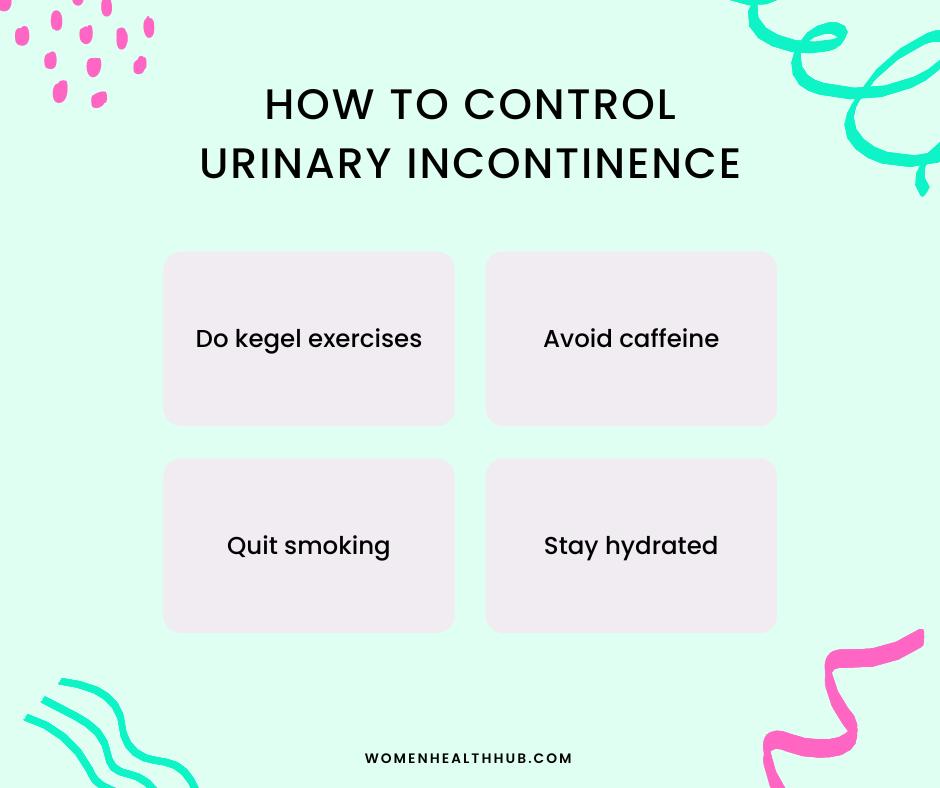
In females, some types of antidepressants can make urinary incontinence even worse, yet some may ease the signs. And diuretics or "water pills" develop more urine, which adds to the issue. You may need to continue doing Kegel exercises for the remainder of your life. Even if your signs and symptoms enhance, urinary system incontinence can return if you quit doing the exercises. Likewise, like all muscular tissues, the bladder and urethra muscles lose some of their stamina as you get older. This means you may not be able to hold as much pee as you get older.If you or a liked one is experiencing these symptoms, it is essential to contact a healthcare provider immediately. Since signs aren't constantly reviewed openly, over active bladder is commonly underreported and neglected. So, allow's take a better check Intermittent catheter out these 2 very closely relevant conditions. Comprehending the details of each can aid you uncover what you might be handling and what your provider can do to assist you feel better. Regardless of what type you have, our physicians have a treatment plan that will certainly have Urine culture your system functioning as good as it carried out in your hay day.
Bladder Screening (urodynamics)
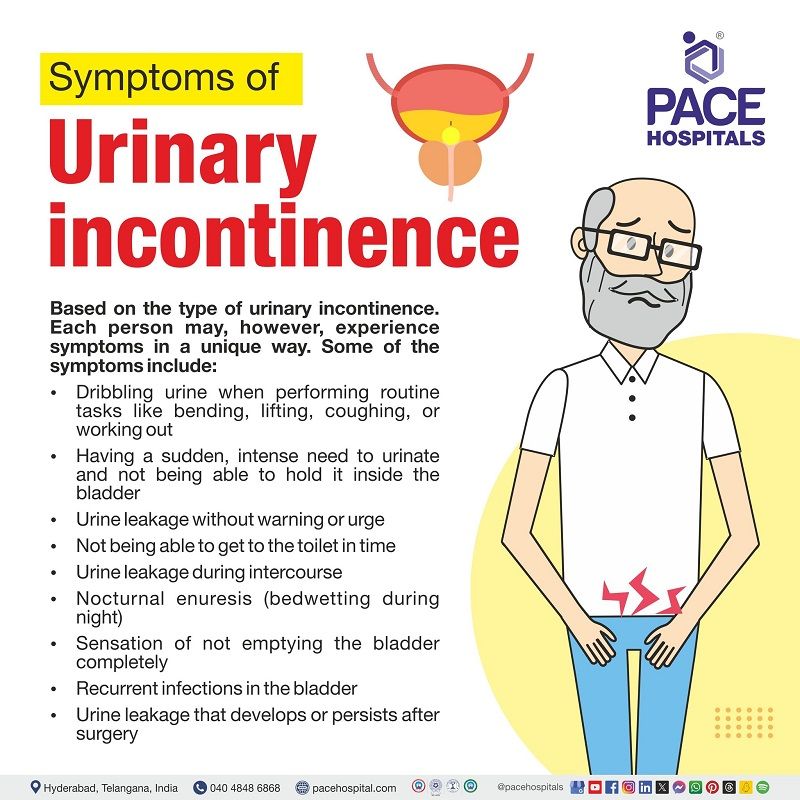
Over active bladder describes a collection of signs, frequently frequent peeing, solid urges to go and difficulty holding urine long enough to get to a washroom. Urinary incontinence, on the other hand, defines the actual leak of urine. Kegel exercises, additionally called Kegels or pelvic floor muscle mass training, are exercises for your pelvic flooring muscle mass to assist avoid or reduce tension urinary incontinence. Your pelvic flooring muscles sustain your uterus, bladder, little intestine, and anus. It proceeds to the factor where the urge can not be regulated any longer. Women have unique health occasions, such as maternity, childbirth, and menopause, that might impact the urinary tract and the surrounding muscular tissues. The pelvic flooring muscular tissues that sustain the bladder, urethra, uterus (womb), and bowels might become weak or damaged. When the muscle mass that sustain the urinary system tract are weak, the muscle mass in the urinary system system need to function harder to hold urine till you are ready to urinate.